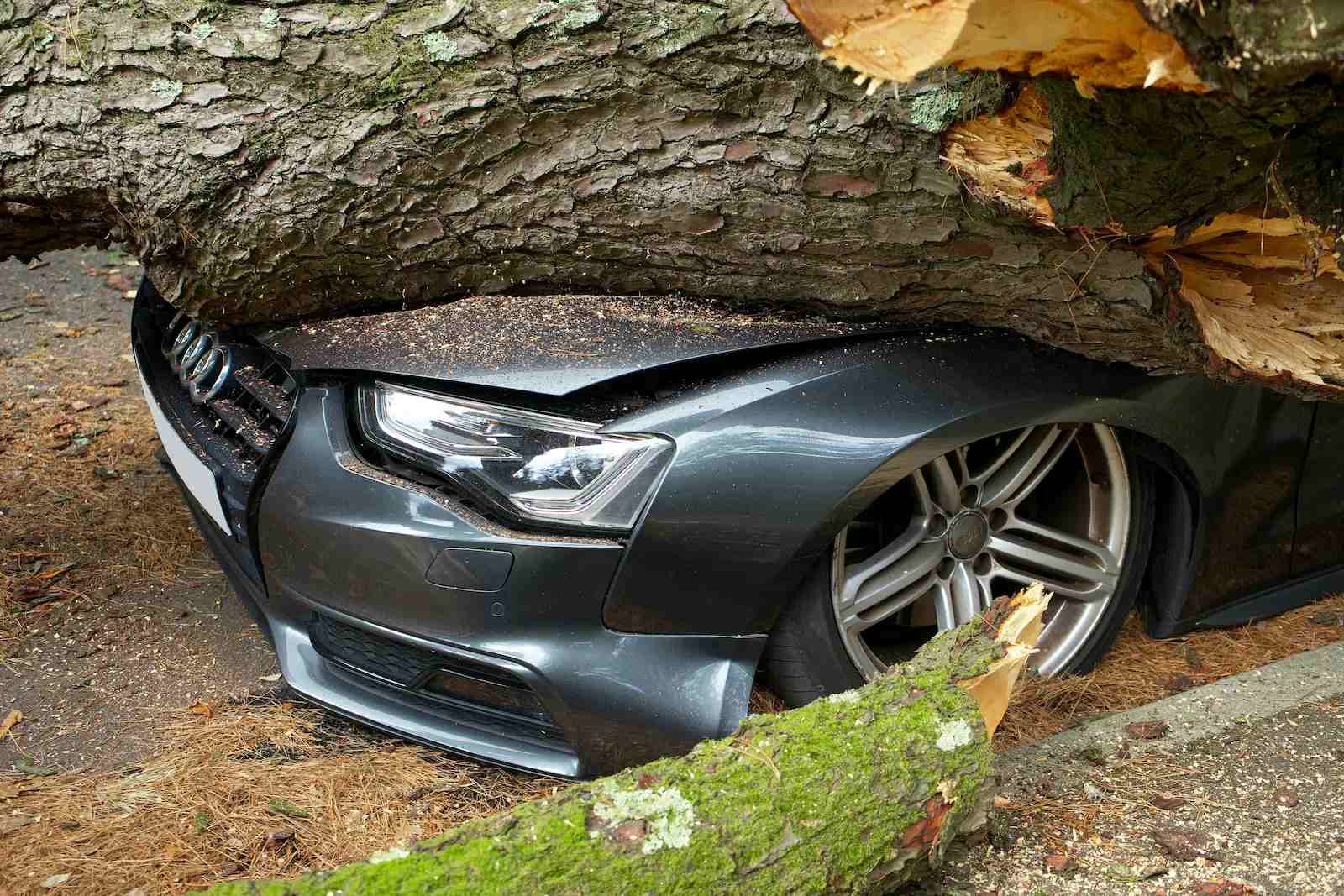
Youâre sitting in a bar, scrolling listings, and suddenly you see it â a crossover: shiny like a dream, looks almost new. The price tag is like an iPhone and a spare spleen.
The comments are already a sabbath:
âEw, a salvage car!â
âEw, a flood car!â
âEw, America â everything there is junk!â
And you catch yourself thinking: people discuss this ride as if it didnât just tap a bumper into a streetlight, but took part in a sacrifice ritual.
When in reality â itâs an ordinary chunk of metal.
Not the Holy Grail.
Not a maiden in a case.
Not an Elon Musk experiment.
Just a car that once got unlucky on a Tuesday.
America is a weird country in general. There, a car gets written off more often not because it died, but because itâs more profitable for the insurer. Itâs easier to hit âtotal lossâ and go drink coffee than to replace a headlight and airbags. Alive, but inconvenient â tossed out. Like a cactus from an office.
And then this âautomotive zombieâ gets loaded onto a ship and sent to places where people still know how to fix things instead of just throwing them away.
For example, to Ukraine.
Thatâs where the car starts a second life.
New bumper, new headlights, new wiring â and a new reason to exist.
And a new owner who doesnât pay for it like itâs the Mona Lisa in gold.
The funniest part â the loudest âsalvage carâ screamers are usually the ones driving cars with five previous owners, rolled-back mileage, and the legend of âgrandpa only drove it to get potatoes.â But itâs the American backstory that triggers their moral panic. Like if a car was in a crash â thatâs it, burn it, bless it, call an exorcist. When in fact youâre buying a piece of metal that has already seen rock bottom and, logically, should behave itself now.
And here the grown-up math begins.
Either you pay for the illusion of âIâm holy and the first,â or you pay half as much â for the same hunk of metal, but with a story. And everything has a story: people, iPhones, apartments, and your sneakers after Friday. But for some reason, with a car, the past suddenly becomes a mortal sin. You buy a brand-new car from a dealership â and a month later they call: âHello, thereâs a recall. Something with the brakes.â And youâre standing there like: âOh, I own a holy chariot!â No. You just bought another hunk of metal with a premium for innocence.
Honestly, Ukrainians are the ones winning here.
We take what America wrote off as economically inconvenient, fix it cheaper, drive it longer, and pay less.
Itâs not shame. Itâs upcycling on wheels.
If you treat a car like a thing, not an icon â all that crash drama turns purple.
Did it happen? It did. Fixed it? Fixed it. Keep driving.
You donât throw out an iPhone just because you replaced the screen, right? So why does a car trigger a ballet of absurdity?
At some point you realize: the âno accidentsâ cult isnât about safety. Itâs about a fairy tale that somewhere out there exists a perfect, untouched, immortal Toyota.
Spoiler: it doesnât.
There are only cars with a history and cars with a price tag. Everyone chooses for themselves.
And if you donât want these philosophical dances, donât want to sleep with nuts and bolts under your pillow and wonder âwill something fall off tomorrowâ â itâs easier to rent a car.
For example, at CAR2DRIVE: https://car2drive.ua
Here you pay not for ghosts of the past, but for a couple of days of steering wheel and freedom. No âwill it fall apart todayâ quest.
The ending is simple.
An American salvage car isnât shame, not a scam, and not a sentence. Itâs just a second life for a thing in a world where things get sent into retirement too early.
If you treat a car like metal, not a sacred relic â all this circus around salvage cars looks like a tantrum over a scratched iPhone.
Everythingâs relative, dude.